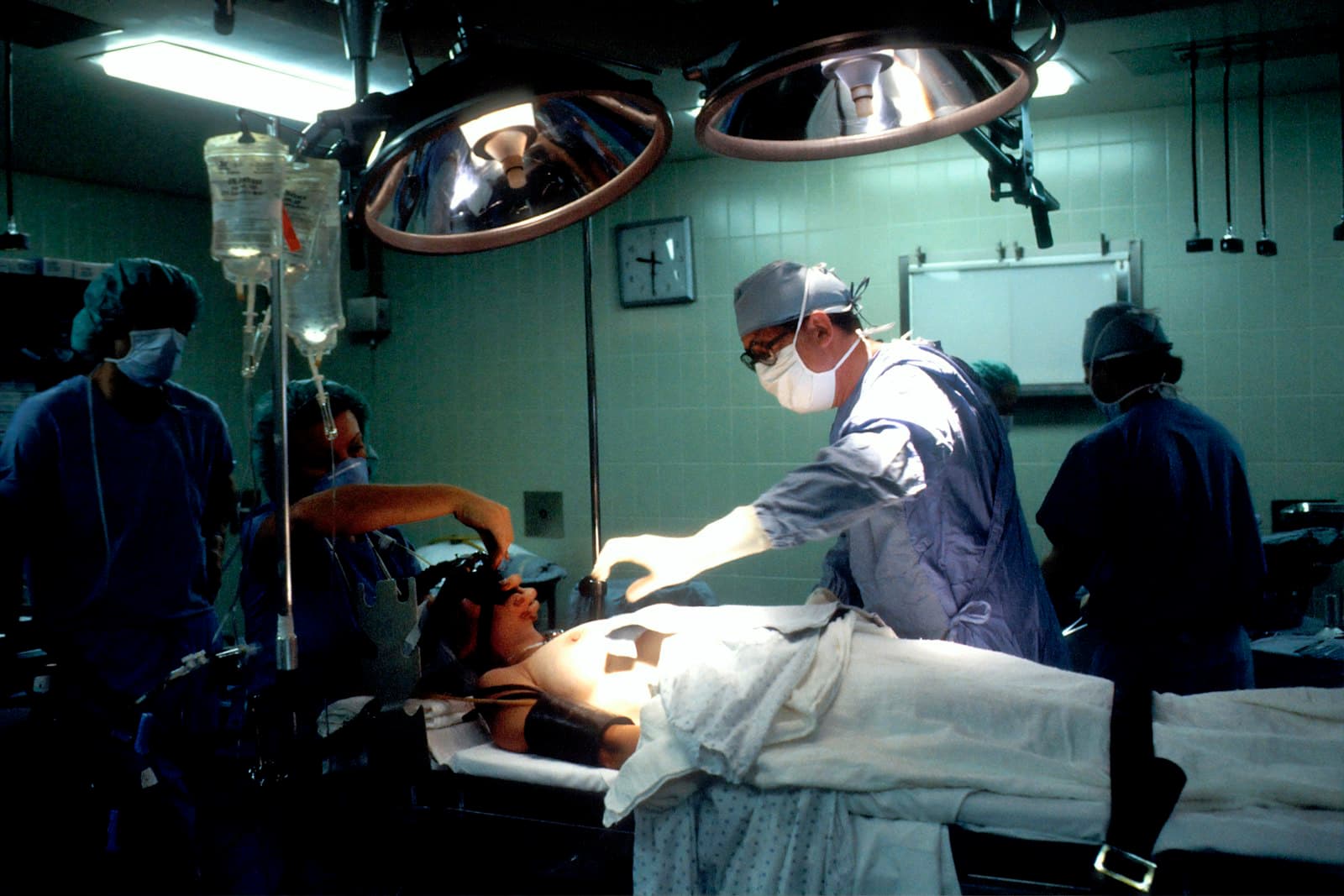
Production pilots now
Optimization
Trial-site selection, manufacturing schedules and cold-chain routing fit today’s hardware and return inside a budget cycle.
Life Sciences
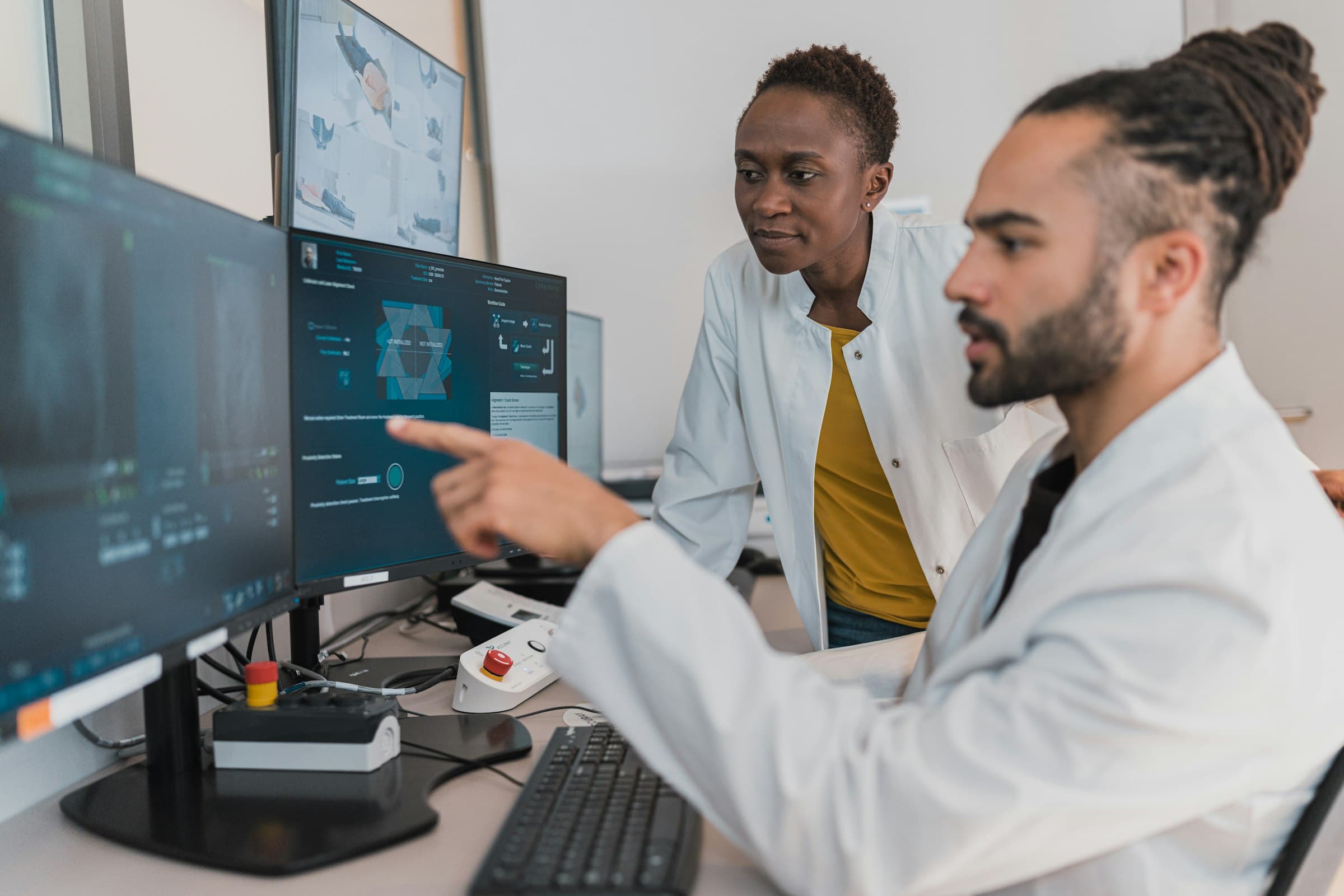
A drug candidate is a quantum system, and a quantum computer models it more directly than a classical approximation can. That is why every major national quantum strategy names health, and why one of the first quantum computers built for a single industry was built for healthcare.
The value
Value quantum computing could add to pharmaceuticals and medical products, up to 12 percent of the industry’s projected sales. Most of it sits in research and drug design.
$40–150B
Drug design
Quantum chemistry inside existing in silico R&D workflows.
$15–50B
Clinical trials
Site mix, scheduling, portfolio and protocol design.
$15–50B
Production
Process, catalysis and supply-chain optimization.
$10–150B
New products
Personalized medicine and faster time to market.
Source: McKinsey & Company, Quantum Technology Monitor 2026.
Two clocks
Production pilots now
Trial-site selection, manufacturing schedules and cold-chain routing fit today’s hardware and return inside a budget cycle.
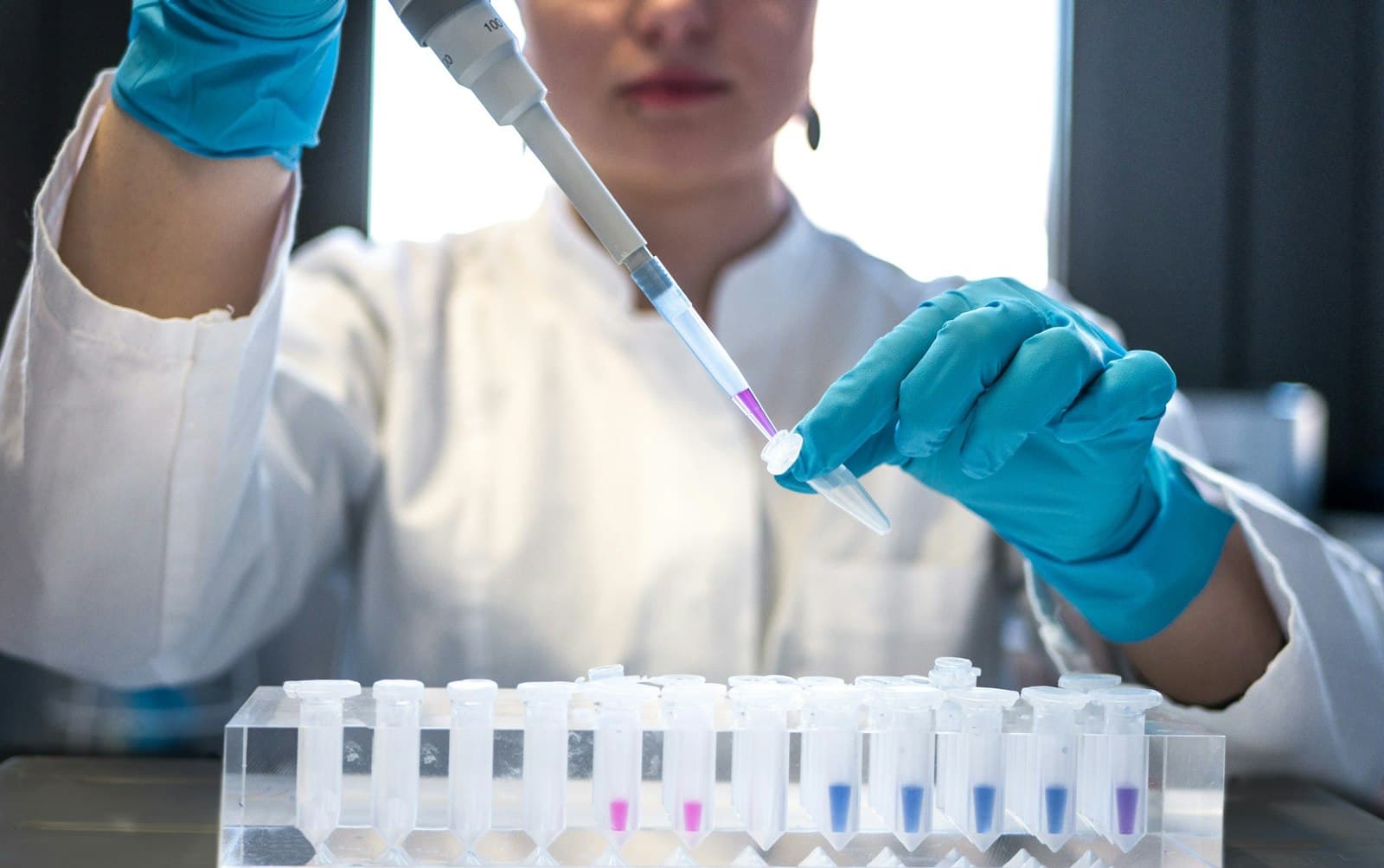
Frontier research, at protein scale
The larger prize, arriving later. The capability compounds over years, so it needs its own budget or it gets cut first.
Where it fits
A quantum processor takes the steps classical methods approximate worst. CPUs and GPUs handle the rest of the discovery pipeline.
Step 01
Assays, omics and imaging assembled into a modeling data set.
CPU
Step 02
Target and ligand libraries, conditions, starting parameters.
CPU
Step 03
Models triage candidates on efficacy, toxicity and developability.
GPU, later QPU
Step 04
Higher-fidelity protein, ligand and reaction simulation.
GPU + QPU
Step 05
Formulation, trial design, scheduling and network choices.
QPU
Step 06
Outputs unified into portfolio and go or no-go decisions.
CPU
The reference model
Cleveland Clinic committed to a quantum computer in 2021 and installed the first one dedicated to healthcare research in 2023. Cloud access to the same class of machine was open to every hospital in America the whole time. What the Clinic bought was clinicians, algorithm developers and hardware engineers in one building.
Each ran against a real problem and reported a number. None has yet produced an approved drug. They show the workflows run and the results can be checked.
66%
Reduction in production makespan at Pfizer’s Freiburg plant with hybrid quantum-classical planning, 2025.
>20×
Faster time to solution than prior benchmarks on a key small-molecule reaction step, AstraZeneca, 2025.
12,635
Atoms in the protein-ligand complex Cleveland Clinic and partners simulated in May 2026, the largest yet.
100–200
Samples at which quantum reservoir computing beat classical models on clinical-trial prediction for Merck and Amgen, 2025.
Data security
Patient records, trial data and molecular IP have to stay confidential for decades, while adversaries collect encrypted traffic today to decrypt later. Post-quantum migration is a security program now, run on its own budget.